



Gain access to personalized product screening, the best pricing, rewards, and more!
Create An Account, Or Sign In.

ALLIGARE
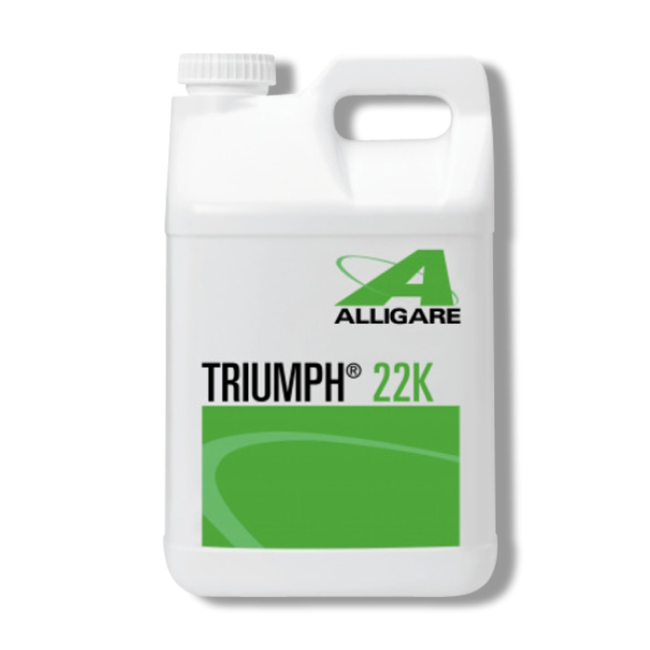
Triumph 22K Picloram Herbicide
Triumph 22K Herbicide is a post-emergent herbicide that contains Picloram and is designed to kill weeds, brush and woody plants on pastures and rangelands.
As low as
$94.50
Only %1 left
SKU
Tordon Picloram 22K Product Page
Min : 94.5 - Max : 175.49
+

+
Triumph 22K Herbicide is manufactured by Alligare and is a powerful tool for rangeland and pasture brush control. Triumph 22K contains the active ingredient Picloram and is used by land managers and those in agricultural settings to clear weeds, brush and invasive trees.
Tools Needed
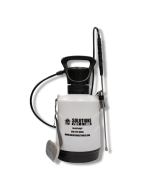
To use Triumph 22K Herbicide, you will need to dilute the product in an appropriate sprayer. For smaller applications, a pump sprayer or backpack sprayer will do. For larger applications, use a professional pesticide spray rig.
How to Use

- Step 1: Figure out how much Triumph 22K you will need by first measuring the area you wish to treat. To do this, multiply the area's length x width to get the total square footage to be treated or measure the acreage for larger applications. For spot treatments, you will need to mix anywhere from 1/10th fl. oz. to 3/4th fl. oz. (acreage equivalent rate found on the label) in 1 gallon of water depending on the spray volume required to treat 1,000 sq. ft. Broadcast application rates can vary from 0.5 pints to 4 pints per acre. Most seedling-staged annual weeds can be controlled at a rate of 1 pint per acre with enough water to ensure thorough coverage, usually around 10 or 15 gallons.
- Step 2: In your selected sprayer, add in half the amount of water to be used to the spray tank and then add the appropriate amount of Triumph 22K. Here you should also add in a selected surfactant as suggested by the label and agitate the sprayer to make sure the solutions are mixed well.
- Step 3: Spray the application to targeted areas where brush or target weeds are growing, preferably on a fan spray setting for uniform coverage. If trying to control an invasive tree, you will need an oil-based carrier and will need to perform a cut-stump treatment. Apply enough spray to wet the lower 12 to 15 inches of the trunk, including the root collar. Spray a coating like you would spray paint.
Where to Use
Triumph 22K Herbicide can be used on rangelands, permanent grass pastures, and conservation reserve program (CRP) acres (including fence rows and non-irrigation ditch banks within these areas). You can apply anywhere you need to control undesirable woody plants and annual and perennial broadleaf weeds.
When to Use
Apply Triumph 22K when you are dealing with woody plants or brush on your rangelands and pastures. For best results, apply when plants are actively growing, which typically occurs early in the summer. Apply at least 10 days prior to leaf color change in late summer. Application in late summer or in periods of dry weather when plants are not actively growing may result in unsatisfactory control.
Safety Information
Triumph 22K Herbicide is safe to use when applied according to the product label. Always wear the proper personal protective equipment (PPE) when mixing and when making applications with Remedy. Do not enter treated areas for at least 12 hours.
Special Considerations
This is a restricted-use herbicide which means that you need a license to be able to purchase the product. Picloram has also recently had a name change to Triumph 22K.
| Restricted Use | Yes |
|---|---|
| Shipping Restrictions | AK, CA, DC, HI, KA, LA, MI |
| Availability | Online |
| Signal Word | WARNING |
| Keith's Pro Tip | "If you have an invasive tree on your property, low-volume applicators of Triumph 22K to the tree base are a convenient option. This method works on trees that are too tall for spraying the foliage. It also gives you a way to improve your pastures during the fall and winter." |
| Target Pests Multi | Absinth Wormwood, Annual Broomweed, Annual Bursage, Annual Thistle, Biennial Thistle, Bitter Sneezeweed, Bitterweed, Black Henbane, Broom Snakeweed, Buffalobur, Bull Nettle, Bull Thistle, Bur Ragweed, Burroweed, Camphorweed, Canada Thistle, Carolina Horsenettle, Cocklebur, Common Crupina, Common Goldenrod, Common Ragweed, Curly Dock, Dalmation Toadflax, Diffuse Knapweed, Distaff Thistle, Drummond’s Goldenweed, Field Bindweed, Fringed Sagebrush, Garbancillo, Geyer Larkspur, Gray Goldaster, Groundsel, Horseweed/Marestail, Iberian Starthistle, Ironweed, Italian Thistle, Lambsquarters, Lanceleaf Ragweed, Lantana, Leafy Spurge, Lindheimer Pricklypear, Locoweed, Lupine, Macartney Rose, Mayweed, Milkweed, Multiflora Rose, Musk Thistle, Narrowleaf Goldaster, Oak, Oxeye Daisy, Pennycress, Perennial Sowthistle, Perennial Thistle, Pigweed, Plains Larkspur, Plumeless Thistle, Poison Oak, Prickly Lettuce, Purple Starthirstle, Rush Skeletonweed, Russian Knapweed, Russian Thistle, Scotch Thistle, Silverleaf Nightshade, Smartweed, Spotted Knapweed, Squarrose Knapweed, St. Johnswort, Sumpweed Marshelder, Sunflower, Tall Larkspur, Tansy Ragwort, Tasajillo, Trumpet Creeper, Upright Prairie Coneflower, Wavyleaf Thistle, Western Horsenettle, Western Ragweed, White Horsenettle, Wild Buckwheat, Wild Carrot, Wild Licorice, Wild Mustard, Willow, Woolly Loco, Wooten Loco, Yankeweed, Yellow Starthistle, Yellow Toadflax, Aspen, Blackberry, Blackbrush Acacia, Buttonbush, Cactus, Camelthorn, Catclaw Acacia, Chaparral, Chinese Tallowtree, Croton, Dogwood, Douglas Fir, Douglas Rabbitbrush, Firs, Gorse, Granjeno, Guajillo, Guava, Gum, Haw, Hemlock, Hickory, Huisache, Java Plum, Juniper Cedars, Locust, Maples, Mesquite, Persimmon, Pine, Pinyon Pine, Poplar, Salmonberry, Sassafras, Scotch Broom, Sourwood, Spruce, Sulfur Cinquefoil, Sumac, Twisted Acacia |
| Time to Kill | Triumph 22K Herbicide begins to kill target weeds 2 weeks after contact but can take up to several weeks for complete control all depending on treatment area and application. |
| Chemical Type | Herbicide |
| Formulation | Emulsifiable Concentrate (EC) |
| Application Methods | Basal Treatment, Broadcast Spray, Spot Treatment |
| Product Drawbacks | This product is restricted use and should not be applied on residential or commercial lawns or near ornamental trees and shrubs. |
| Active Ingredient | Picloram 24.4% |
| Application Equipment | Backpack Sprayer, Pump Sprayer, Spray Rig |
| Mix Rate | Maximum Use Rates: Non-cropland Areas and Rights-of-Way: Total use of picloram, including retreatments or spot treatments, must not exceed 1 lb ae per acre picloram (2 quarts per acre Alligare Triumph 22K) per annual growing season. Forest Sites: No more than 1 lb. ae picloram (2 quarts of Alligare Triumph 22K) per acre may be applied one time every two years to forest sites. Rangeland and Permanent Grass Pastures: For control of noxious weeds as defined by federal, state, or local authorities, picloram may be applied at up to 1 lb ae per acre (2 quarts Alligare Triumph 22K per acre) per annual growing season as a broadcast treatment. Spot treatments may be applied at the equivalent broadcast rate of up to 1 lb ae picloram (2 quarts Alligare Triumph 22K) per acre. For more specific application rates please refer to the label. |
| Use Sites | Outdoors |
| Yield | Each Gallon of Triumph 22K will treat up to 4 acres of land. |
| EPA Registration No. | 81927-18 |
| Shelf Life | Triumph 22K will last in 3 to 5 years in storage if kept in a cool, dry place. |
| Comparable Products | Tordon 22K |
| Children or pets? | No |
| Property Characteristics | Grazing Animals |
| Availability | Online |
| Restricted Use | Yes |
| Brand | ALLIGARE |
| Keith's Pro Tips | "If you have an invasive tree on your property, low-volume applicators of Triumph 22K to the tree base are a convenient option. This method works on trees that are too tall for spraying the foliage. It also gives you a way to improve your pastures during the fall and winter." |
| Product Drawbacks | This product is restricted use and should not be applied on residential or commercial lawns or near ornamental trees and shrubs. |
| Target Pests | Triumph 22K Herbicide is for the control of the following: Absinth Wormwood, Annual Broomweed, Annual Thistles, Aspen, Biennial thistles, Bitter Sneezeweed, Bitterweed, Black Henbane, Blackberry, Blackbrush Acacia, Broom Snakeweed, Buffalobur, Bull Thistle, Bullnettle, Bur Ragweed, Burrowweed, Bursage, Buttonbush, Cactus spp., Camelthorn, Camphorweed, Canada Thistle, Carolina Horsenettle, Catclaw Acacia, Cedars, Chaparral spp., Chinese Tallowtree, Cocklebur, Common Crupina, Common Goldenrod, Common Ragweed, Croton, Curly Dock, Dalmation Toadflax, Diffuse Knapweed, Distaff Thistle, Dogwood, Douglas Fir, Douglas Rabbitbrush, Drummond Goldenweed, Filed Bindweed, Fir spp, Fringed Sagebrush, Garbancillo, Geyer Larkspur, Gorse, Granjeno, Gray Goldaster, Groundsel, Guajillo, Guava, Gums, Haw, Hemlock, Hickory, Horseweed, Huisache, Iberian Starthistle, Ironweed, Italian Thistle, Jave Plum, Junipers, Lambsquarters, Lanceleaf Ragweed, Lantana, Leafy Spurge, Lindheimer Pricklypear, Live Oak, Locowoods, Locust, Lupines, Macartney Rose, Maple spp., Marshelder, Mayweed, Mesquite, Milkweed, Multiflora Rose, Musk Thistle, Narrowleaf Goldaster, Oak spp, Ox-eye Daisy, Pennycress, Perennial Sowthistle, Persimmon, Pigweed, Pine, Pinyon Pine, Plains Larkspur, Plains Pricklypear, Plumeless Thistle, Poison Oak, Poplar spp, Prickly Lettuce, Purple Starthistle, Rush Skeltonweed, Russian Knapweed, Russian Thistle, Salmonberry, Sassafras, Scotch Broom, Scotch Thistle, Silverleaf Nightshade, Smartweed, Sourwood, Spotted Knapweed, Spruce, Squarrose Knapweed, St. Johnsonwort, Sulfur Cinquefoil, Sumac, Sunflower, Tall Larkspur, Tansy Ragwort, Tasajillo, Trumpetcreeper, Twisted Acacia, Upright Prairie Coneflower, Wavy Leaf Thistle, Western Horsenettle, Western Ragweed, White Horsenettle, Wild Buckwheat, Wild Carrot, Wild Licorice, Wild Mustard, Willows, Woolly Loco, Wooten Loco, Yankeeweed, Yellow Thistle, and Yellow Toadflax. |
| Application Equipment | Backpack Sprayer, Pump Sprayer, Spray Rig |
| Application Methods | Basal Treatment, Broadcast Spray, Spot Treatment |
| Active Ingredient | Picloram 24.4% |
| Product Type | Herbicide |
| Formulation | Emulsifiable Concentrate (EC) |
| Application Rate | Maximum Use Rates: Non-cropland Areas and Rights-of-Way: Total use of picloram, including retreatments or spot treatments, must not exceed 1 lb ae per acre picloram (2 quarts per acre Alligare Triumph 22K) per annual growing season. Forest Sites: No more than 1 lb. ae picloram (2 quarts of Alligare Triumph 22K) per acre may be applied one time every two years to forest sites. Rangeland and Permanent Grass Pastures: For control of noxious weeds as defined by federal, state, or local authorities, picloram may be applied at up to 1 lb ae per acre (2 quarts Alligare Triumph 22K per acre) per annual growing season as a broadcast treatment. Spot treatments may be applied at the equivalent broadcast rate of up to 1 lb ae picloram (2 quarts Alligare Triumph 22K) per acre. For more specific application rates please refer to the label. |
| Shelf Life | Triumph 22K will last in 3 to 5 years in storage if kept in a cool, dry place. |
| Yield | Each Gallon of Triumph 22K will treat up to 4 acres of land. |
| Use Sites | Outdoors |
| Time to Kill | Triumph 22K Herbicide begins to kill target weeds 2 weeks after contact but can take up to several weeks for complete control all depending on treatment area and application. |
| Comparable Products | Tordon 22K |
| Incompatible Home Siding | Brick, Hardie Plank, Stone Veneer, Stucco, Wood, Vinyl |
| EPA Registration # | 81927-18 |
