



Gain access to personalized product screening, the best pricing, rewards, and more!
Create An Account, Or Sign In.
Most Effective Products
Norway Rat Control: How to Eliminate Norway Rats
This guide provides practical methods and products to effectively control Norway Rats. Follow these steps and use the recommended products for reliable Norway Rat management.
Seeing a rat scurry indoors is alarming for any homeowner or business owner. The Norway rat is a common rodent across the United States, especially near coastal regions.
Also called sewer rats, Norway Rats are large burrowing rodents. They are bigger than Roof Rats and cause significant damage by gnawing non-stop on structures.
Norway Rats can carry diseases like plague, jaundice, and rat-bite fever. They contaminate food and bring fleas into homes. Their large litters can quickly lead to infestations without intervention.
Controlling Norway Rats should be a priority if they invade your home. This DIY guide gives you expert advice and product recommendations to remove these pests.
Identification
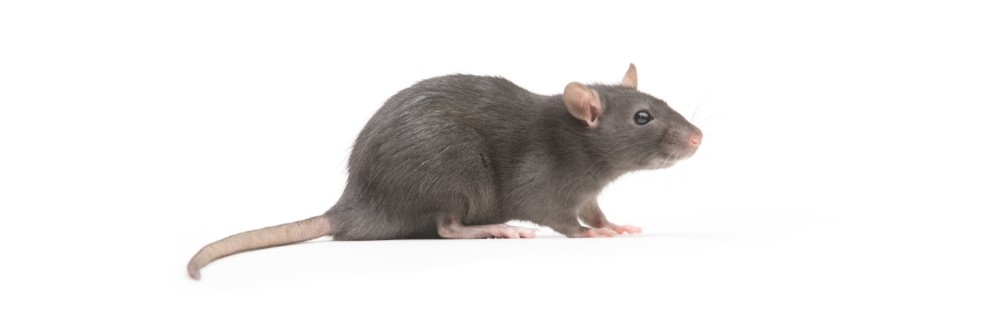
Properly identifying Norway Rats is essential before treatment. Misidentification leads to ineffective methods wasting time and money. Look for these features:
- Norway Rats have bulky bodies covered with shaggy brown or gray fur and grayish underbellies. They have small ears and eyes with long, hairless tails.
- They weigh 7 to 18 ounces and can reach up to 16 inches long; tails may exceed 8 inches.
- They cause structural damage by chewing walls, pipes, and wiring, which can lead to fires. They also carry fleas and ticks harmful to pets and humans.
Use the image and description to identify Norway Rats. If uncertain, contact us for assistance.
Inspection

After confirming Norway Rats, inspect to locate their harborage areas and gauge infestation severity.
Where to Inspect
Begin indoors, checking kitchens, garages, attics, and basements. In kitchens, inspect behind appliances, floor-level cabinets, pantries, and food storage. Though Norway Rats stay near the ground, also inspect attics and basements, behind clutter, and along baseboards.
In garages, move clutter to inspect floor-level areas and potential entry points.
Outdoors, search lawns and yards around debris, woodpiles, rocks, and general clutter.
What to Look For
Look for feces (3/4 inch long with blunt ends), smear marks, chewed openings, foul odors (like urine), fur, and the rodents. In kitchens, check for chewed food packaging.
Check baseboards for greasy fur-marked smear marks. Look for small openings used by rats for movement. At night, listen for chewing or scurrying sounds. Droppings indicate active presence.
Outdoors, look for holes or burrows near foundations, under yard debris, and in compacted vegetation runways rats use for movement.
Document where signs are found to focus bait and trap treatments.
Treatment
Once activity is confirmed, begin treatment. Always read product labels, follow instructions, and wear personal protective equipment (gloves, safety glasses, and masks).
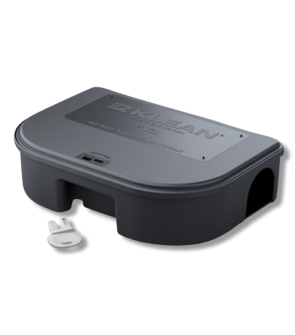
Norway Rats enter from outside and may live outdoors while venturing inside. Start treatment outdoors with Solutions Rodent Bait Stations and Eratication Rodent Bait. Indoors, use snap traps and glue boards to capture them.
Step 1 - Outdoor Treatment with Eratication

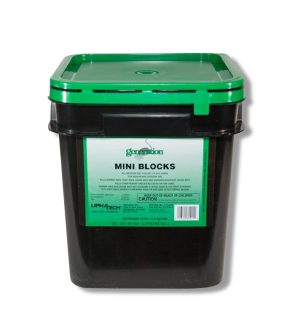
Eratication Rodent Bait Blocks are poisonous blocks that attract rats to feed repeatedly until death. Place them inside the tamper-proof Solutions Rodent Bait Stations to protect bait from weather, wildlife, pets, and children.
Wear gloves, safety glasses, and a mask before handling to avoid transferring your scent, which can cause bait avoidance.
Open bait stations with the provided key, insert three bait blocks on the metal rods inside, and close them. Place stations near burrows or activity areas.
Use two bait stations with six bait blocks each, spacing stations 15 to 30 feet apart. For severe infestations, add more stations and bait blocks.
Check stations regularly, replacing bait blocks showing feeding signs. Continue until feeding stops.
Step 2 - Indoor Treatment with Snap Traps and Glue Boards

After setting outdoor bait, place snap traps and glue boards indoors. Trapping indoors and baiting outdoors reduces the risk of rats dying out of reach inside walls.
Wear gloves, safety glasses, and a mask before setting traps to prevent leaving your scent, which deters rats.
Step 3 - Place Traps Strategically in Attics, Basements, and Garages
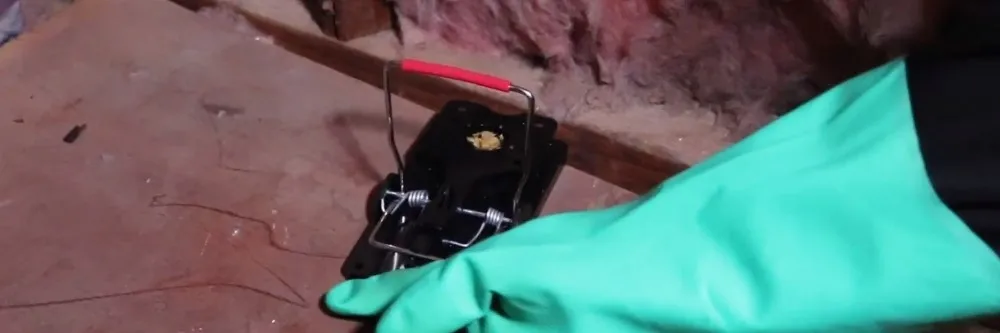
Trap placement is key. Open spaces discourage rats from approaching traps.
Place glue trays near entry points, along baseboards, and against walls where rodents travel. For snap traps, position the trigger close to the wall and add a pea-sized peanut butter drop on the trigger to ensure contact.
- Attics: Place traps where you find damage like chewed wires, gnawed wood, insulation damage, droppings, along runways, and near water heater drip pans.
- Basements: Place traps along walls, crawl spaces, and narrow spots with evidence such as smudges, gnaw marks, droppings, and hair.
- Garages: Clear clutter and place traps along walls, entry points, behind storage, and dark corners showing rat activity or signs.
Prevention

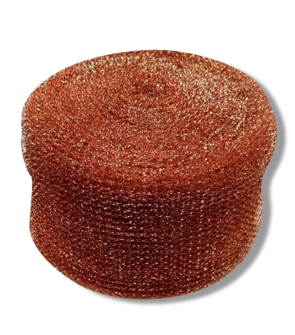
After elimination, prevent reinfestation by sealing all entry points around your home using copper mesh or caulk to close holes, cracks, and gaps.
Maintain cleanliness by removing garbage daily, cleaning spills and crumbs, and not leaving pet food or water bowls out overnight indoors or outdoors. Store food in sealed plastic containers.
Remove outdoor food sources like bird feeders to eliminate steady food supplies. Clear yard debris such as leaf litter, woodpiles, logs, rocks, and clutter that provide shelters. Trim branches touching the roof to prevent rat access.
Key Takeaways
What are Norway Rats?
- Norway Rats are large rodents that infest buildings, causing health risks and structural damage through gnawing.
- Without control, they multiply quickly and cause serious harm, so prompt action is essential.
How to Get Rid of Norway Rats
- Use Eratication Bait outdoors in tamper-proof stations and set glue traps or snap traps indoors in attics, basements, or garages.
- Place traps where rat activity is evident by droppings, urine, gnaw marks, or scratching.
Preventing Norway Rat Reinfestation
- Seal entry points and keep the home and surroundings clean to stop future infestations.