



Gain access to personalized product screening, the best pricing, rewards, and more!
Create An Account, Or Sign In.


BAYER
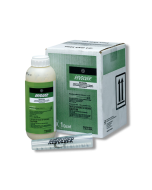
Revolver Herbicide
Revolver Herbicide is a post-emergent, selective herbicide that contains the active ingredient Foramsulfuron and is designed to control many hard to manage grassy weeds such as Poa annua (Annual bluegrass), goose grass, clumpy ryegrass and tall fescue. Great for residential lawns and golf courses and more.
As low as
$294.73
Only %1 left
SKU
Revolver Herbicide
Min : 294.73 - Max : 294.73
+

+
Price as of
08/20/26
08/20/26
Price Transparency
See how our pricing compares to other online retailers for this item.
Revolver Herbicide, manufactured by Bayer, is an effective post-emergent herbicide for managing annual and perennial cool seasoned grassy weeds such as Poa Annua (Annual bluegrass) and goosegrass in warm-seasoned turf.
Compromised of 2.34% Foramsulfuron, Revolver Herbicide works incredibly fast by stopping production of three key amino acids, halting cell division and growth in a couple of hours.
Revolver Herbicide provides a powerful suspended concentrate formulation that ceases weed growth in a few hours after application. Complete death occurs between 1 to 4 weeks after application.
Tools Needed
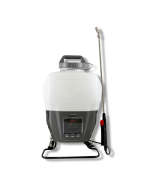
To use Revolver Herbicide you will need a hand-held or backpack sprayer for residential applications.
Do not use non-ionic surfactants, crop oil concentrates, crop oil concentrate/methylated seed oil blends, and refined vegetable oils.
How to Use
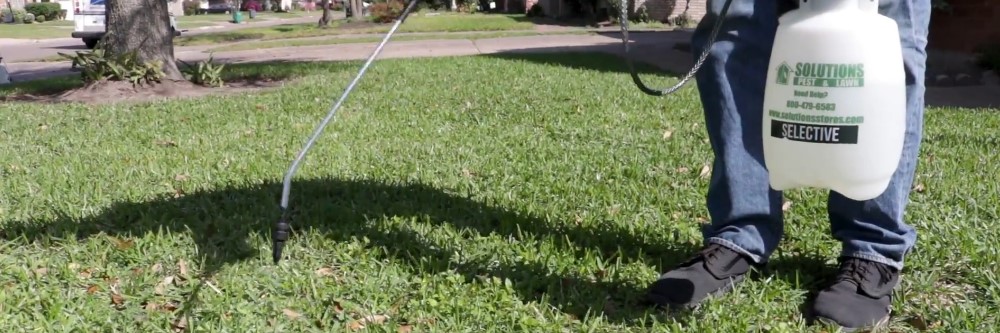
- Step 1: Determine how much Revolver Herbicide you need by first calculating the square footage of the treatment area. To do this, measure and multiply the lawn's length and width, then multiply the two values (length x width = square footage). To apply as a spot treatment, Revolver Herbicide can be mixed at a rate of 0.5 to 2 fl.oz. of Revolver per gallon of water per 1,000 sq. ft., depending on the weed and stage of growth. For broadcast applications, use 4.4 to 17.4 oz. of product per 60 gallons of water per acre. Do not use more than 1.25 oz. of product per 1,000 sq. ft. per use per season for broadcast applications. In case of spot treatments, do not apply more than 2 oz. of product per 1,000 sq. ft. and treat no more than 10,000 sq. ft. per acre.
- Step 2: Fill a hand-pump sprayer halfway with water then add the required amount of Revolver Herbicide to the tank. Replace the cap and agitate by shaking the sprayer until the herbicide solution is thoroughly mixed.
- Step 3: Spray the target weed to wet, making sure to get even coverage via fan cone spray setting. Wait 7-10 days to check progress and reapply if necessary. Do not irrigate immediately after application. However, the next 2 mornings after application, if dew is present, irrigate lightly with 0.1 to 0.2 inches of water before allowing traffic such as mowing to occur.
Where to Use

Revolver Herbicide can be used on warm-seasoned turfgrass cultivars such as bermudagrass, baby, common, champion, mini verde, princess (seeded), riviera (seeded), nu mex sahara (seeded), savannah, tifway 419, tifgreen 328, tifton 10, tifsport, tifdwarf, tifeagle, transcontinential, vamont, yukon (seeded), zoysiagrass, cavalier, companion (seeded), crowne, DeAnza, el toro, emerald, greg norman, jamar, meyer, palisades, zenith (seeded), zeon, buffalograss, buffalograss cultivars, perennial ryegrass, and poa trivialis.
Sites containing these turfs such as golf course turf, golf course greens, golf course tees, golf course collars, golf course fairways, golf course roughs, residential lawns, sports fields, commercial lawns, cemeteries, parks, campsites, recreational areas, home lawns, roadsides, school grounds, and sod farms can be treated.
When to Use
Apply Revolver Herbicide during peak weed growing times of the year. It is best to target weeds when they are young and actively growing. For best results in controlling mature weeds, apply Revolver Herbicide in the spring or through fall when the daily average temperature is above 70 degrees Fahrenheit.
Turf exhibiting injury from previous applications of other products should not be treated.
Safety Information
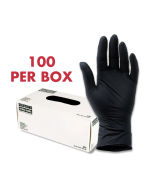
Revolver Herbicide is safe to use around pets and children when applied according to the product label instructions. Always wear the proper personal protective equipment (PPE) when mixing and applying this product.
Wait until treated areas are dry on the leaf's surface prior to allowing traffic within these sites or until 12 hours have passed after application.
Special Considerations
Control of some difficult-to-control weeds with Revolver Herbicide, including volunteer/clumpy ryegrass, and goosegrass may be improved by adding an adjuvant and nitrogen fertilizer. These additives may also cause phytotoxicity to desirable grasses under some situations. Use of these additives should be tested in a limited area prior to widespread use.
Cool season turfgrasses, such as bentgrass, ryegrass, fescues, annual bluegrass, roughstalk bluegrass (poa trivialis), and Kentucky Bluegrass are not tolerant to Revolver Herbicide.
| Restricted Use | No |
|---|---|
| Shipping Restrictions | AK, ID, NY, WY |
| Availability | Online |
| Signal Word | CAUTION |
| Keith's Pro Tip | "Revolver does a great job on its own but you can do even more damage to troubling weeds since it can be easily added with other herbicides and tank additives. When mixing with other products, check partner product labeling for compatibility and test for phytotoxicity before widespread use." |
| Target Pests Multi | Annual Bluegrass, Bentgrass, Buffalograss, Bur Clover, Carolina False Dandelion, Doveweed, Goosegrass, Henbit, Hop Clover, Large Crabgrass, Little Barley, Mouseear Chickweed, Poa Annua, Poa Trivialis, Ryegrass, Tall Fescue, Volunteer Ryegrass, White Clover |
| Time to Kill | Allow up to 7 days to begin seeing results of Revolver. Symptoms progress from yellowing to brown, generally resulting in complete weed control within 1-4 weeks after application. |
| Chemical Type | Herbicide |
| Formulation | Suspended Concentrate |
| Application Methods | Broadcast Spray, Spot Treatment |
| Product Drawbacks | Like other suspension concentrates, Revolver will settle if left standing with agitation. |
| Active Ingredient | Foramsulfuron 2.34% |
| Application Equipment | Backpack Sprayer, Hose End Sprayer, Pump Sprayer |
| Mix Rate | For spot treatments, mix 0.5 to 2 fl. oz. of Revolver Herbicide per gallon of water per 1,000 sq. ft., depending on the weed and stage of growth. For broadcast applications, use 4.4 to 17.4 oz. of Revolver Herbicide per 60 gallons of water per acre. |
| Use Sites | Outdoors |
| Yield | 32 oz. of Revolver Herbicide will cover up to 16,000 sq. ft. when used at the low use rate of 2 oz. |
| EPA Registration No. | 432-1266 |
| Shelf Life | Revolver Herbicide will last for up to 3 years when stored in its original container within a cool, dry storage area out of reach of children and animals. |
| Comparable Products | Solitare Herbicide |
| Children or pets? | No |
| Property Characteristics | None |
| Availability | Online |
| Restricted Use | No |
| Brand | BAYER |
| Keith's Pro Tips | "Revolver does a great job on its own but you can do even more damage to troubling weeds since it can be easily added with other herbicides and tank additives. When mixing with other products, check partner product labeling for compatibility and test for phytotoxicity before widespread use." |
| Product Drawbacks | Like other suspension concentrates, Revolver will settle if left standing with agitation. |
| Target Pests | Annual Bluegrass, Bentgrass, Buffalograss, Carolina False Dandelion, Doveweed, Goosegrass, Henbit, Little Barley, Poa Annua, Poa Trivialis, Ryegrass, Tall Fescue, Mouseear Chickweed, White Clover, Bur Clover, Hop Clover, Large Crabgrass, Tall Fescue, and Volunteer Ryegrass. |
| Application Equipment | Backpack Sprayer, Hose End Sprayer, Pump Sprayer |
| Application Methods | Broadcast Spray, Spot Treatment |
| Active Ingredient | Foramsulfuron 2.34% |
| Product Type | Herbicide |
| Formulation | Suspended Concentrate |
| Application Rate | For spot treatments, mix 0.5 to 2 fl. oz. of Revolver Herbicide per gallon of water per 1,000 sq. ft., depending on the weed and stage of growth. For broadcast applications, use 4.4 to 17.4 oz. of Revolver Herbicide per 60 gallons of water per acre. |
| Shelf Life | Revolver Herbicide will last for up to 3 years when stored in its original container within a cool, dry storage area out of reach of children and animals. |
| Yield | 32 oz. of Revolver Herbicide will cover up to 16,000 sq. ft. when used at the low use rate of 2 oz. |
| Use Sites | Outdoors |
| Time to Kill | Allow up to 7 days to begin seeing results of Revolver. Symptoms progress from yellowing to brown, generally resulting in complete weed control within 1-4 weeks after application. |
| Comparable Products | Solitare Herbicide |
| Use Caution On | Bentgrass, Kentucky Bluegrass, Fescue, Fine, Fescue, Tall, Ryegrass |
| EPA Registration # | 432-1266 |
