



Gain access to personalized product screening, the best pricing, rewards, and more!
Create An Account, Or Sign In.

VPG
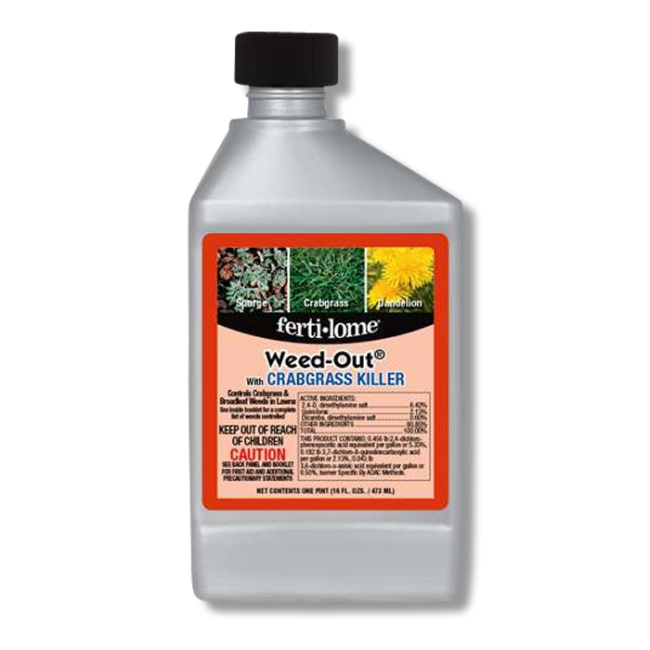
Ferti-Lome Weed Out with Crabgrass Killer
Ferti-Lome Weed Out with Crabgrass Killer is a effective selective post-emergent herbicide that controls crabgrass and broadleaf weeds in lawns.
As low as
$15.45
Only %1 left
SKU
Ferti-Lome Weed Out with Crabgrass Killer Product Page
Min : 15.45 - Max : 23.37
+

+

Price as of
08/20/26
08/20/26
Price Transparency
See how our pricing compares to other online retailers for this item.
Ferti-Lome Weed Out with Crabgrass Killer, manufactured by VPG, is an easy to mix post-emergent that controls a broad-spectrum of tough weeds in cool-seasoned and warm-seasoned lawns.
Contains three active ingredients (2,4-D, dimethylamine salt 6.42%, Quinclorac 2.13 %, and Dicamba .60 %) that works against weeds like dandelions, woodsorrel, and clover.
Ferti-Lome Weed Out with Crabgrass Killer gives complete weed control within several hours and becomes rainfast in 1 hour making retreatments less likely to occur.
Tools Needed
To use Ferti-Lome Weed Out and Crabgrass Killer you will use a handheld pump sprayer, hose end sprayer, or backpack sprayer.
How to Use
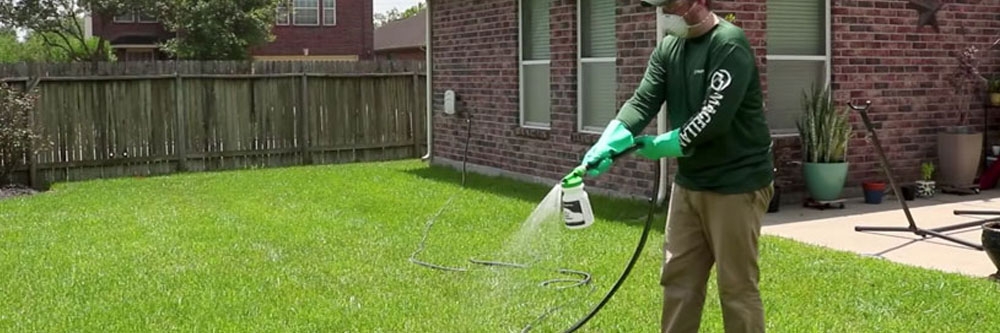
- Step 1: Figure out how much Ferti-Lome Weed Out with Crabgrass Killer to use by finding the size of the treatment area. To do this, measure the treatment area's square footage by measuring the area's length and width, and then multiplying them together (length x width = square feet). For spot applications, mix 2.5 fl. oz. of product per 400 sq. ft. with 1 gallon of water. Entire lawns will be mixed at the rate of 6.4 fl. oz. per 1,000 sq. ft. per 1 gallon of water. Follow the previous formula with the exception of adding water if you are treating an entire lawn with a hose end sprayer.
- Step 2: Add half of the required water amount to the sprayer, then add the measured amount of product based on your calculations, then add the remaining half of the water inside the sprayer. Secure the sprayer lid then shake thoroughly until spray mixture is even.
- Step 3: Go to application area and pump the handle of the sprayer to pressurize. Apply a coarse spray pattern evenly to the targeted area and weed surfaces until wet.
Where to Use
Ferti-Lome Weed Out with Crabgrass Killer is best used on cool, warm seasoned turf within your residential or commercial lawn.
When to Use
Apply Ferti-Lome Weed Out with Crabgrass Killer when weeds are young and actively growing. This is typically in the late fall when temperatures are below 90 degrees Fahrenheit. Spray on a day when the lawn or treatment area has not been wet or mowed for at least 24 hours. Apply on calm days when wind speeds are low to minimize drift.
Safety Information
Ferti-Lome Weed Out and Crabgrass Killer is safe to use around pets or children when applied according to the product label instructions. Always wear the appropriate personal protective equipment (PPE) when mixing or apply the spray mixture.
Do not allow people or pets to enter the treated area until sprays have dried.
Special Considerations
The treatment area cannot be mowed for at least 2 days before application and 2 days after turf has been applied with spray mixture.
Do not use Ferti-Lome Weed Out with Crabgrass Killer on bahiagrass bentgrass (colonial and creeping), carpetgrass, centipedgrass, dichondra, gardens (including;(including vegetables, fruit trees, vines and berries), Ornamental plants (flowers, trees, groundcovers, landscape beds and shrubs), Seashore Paspalum, St. Augustinegrass, and turfgrass species that are not listed on this label.)
| Restricted Use | No |
|---|---|
| Shipping Restrictions | AK, HI, ID, ME, NV, NY, WY |
| Availability | Online |
| Signal Word | CAUTION |
| Keith's Pro Tip | "While your applying Ferti-Lome Weed Out with Crabgrass Killer spray mixture occasionally re-pressurize the sprayer as you apply a coarse pattern to the broadleaf weeds and crabgrass. This way you will easily control the volume of spray mixture and maintain a good spray pattern as your applying the product." |
| Target Pests Multi | Hoary Plantain, India Mockstrawberry, Aster, Austrian Fieldcress, Bedstraw, Beggarticks, Bird Vetch, Bitter Winter Cress, Bitterweed, Black Medic, Black Mustard, Black-eyed Susan, Black-seed plantain, Blessed Thistle, Blue Lettuce, Blue Vervain, Bracted Plantain, Brassbuttons, Bristly Oxtongue, Broadleaf Dock, Broadleaf Plantain, Broadleaf Signalgrass, Broomweed, Buckhorn Plantain, Bulbous Buttercup, Bull Nettle, Bull Thistle, Bur Clover, Burdock, Burning Nettle, Burweed, Buttercup, Buttonweed, Canada Thistle, Carolina Geranium, Carpetweed, Catchweed Bedstraw, Catnip, Catsear, Cinquefoil, Cockle, Cocklebur, Common Chickweed, Common Mullein, Common Purslane, Creeping Charlie, Creeping Jenny, Crimson Clover, Cudweed, Curly Dock, Dandelion, Dichondra, Dogbane, Dollarweed, English_Daisy, False Dandelion, False Flax, Fiddleneck, Field Bindweed, Fleabane Daisy , Florida Betony, Florida Pusley, Frenchweed, Galinsoga, Giant Foxtail, Goathead, Green Foxtail, Gumweed, Hairy Bittercress, Hairy Fleabane, Hawkweed, Healall, Heartleaf Drymary, Heath_Aster, Hedge Bindweed, Hedge Mustard, Hemp, Henbit, Hoary Cress, Hoary Vervain, Hop Clover, Horsenettle, Jimsonweed, Knawel, Knotweed, Kochia, Lambsquarters, Large Crabgrass, Lespedeza, Mallow, Mexicanweed, Milk Vetch, Milkweed Bloodflower, Morningglory, Mouseear Chickweed, Mouseear Hawkweed, Mugwort, Musk Thistle, Narrowleaf Plantain, Narrowleaf Vetch, Nettle, Orange Hawkweed, Oriental Cocklebur, Oxalis, Oxeye Daisy, Parsley Piert, Parsnip, Pearlwort, Pennycress, Pennywort, Peppergrass, Pepperweed, Pigweed, Plains Coreopsis, Plantain, Poison Ivy, Poison Oak, Pokeweed, Poorjoe, Prairie Sunflower, Prickly Lettuce, Prickly Sida, Prostrate Pigweed, Prostrate Spurge, Prostrate Vevain, Prostrate_Knotweed, Puncture Vine, Ragweed, Red Clover, Red Sorrel, Redroot Pigweed, Redstem Filaree, Rough Cinquefoil, Rough Fleabane, Russian Pigweed, Russian Thistle, Scarlet Pimpernel, Scotch Thistle, Sheep Sorrel, Shepherdspurse, Slender Plantain, Smallflower Galinsoga, Smooth Crabgrass, Smooth Pigweed, Sorrell, Sowthistle, Spanishneedles, Speedwell, Spiny Amaranth, Spiny Cocklebur, Spiny Sowthistle, Spotted Catsear, Spurweed, Stinging Nettle, Strawberry Clover, Tall Nettle, Tall Vervain, Tansy Mustard, Tansy Ragwort, Tanweed, Thistle, Trailing Crown Vetch, Tumble Mustard, Velvetleaf, Venice Mallow, Virginia Buttonweed, Virginia Creeper, Virginia Pepperweed, Water Pennywort, Wavyleaf Thistle, Western Clematis, Western Salsify, White Clover, White Mustard, Wild Aster, Wild Buckwheat, Wild Carrot, Wild Four-o’clock, Wild Garlic, Wild Geranium, Wild Lettuce, Wild Marigold, Wild Mustard, Wild Onion, Wild Parsnip, Wild Rape, Wild Strawberry, Wild Sweet Potato, Woodsorrel, Woolly Croton, Woolly Morningglory, Woolly Plantain, Wormseed, Yarrow, Yellow Flower Pepperweed, Yellow Foxtail, Yellow Rocket, Yellow Sweetclover, Buckthorn, Chicory, Dogfennel, Elderberry, Goldenrod, Ground Ivy, Matchweed, Mustard, Wild Violet |
| Time to Kill | Within 21 days you will see results from Ferti-Lome Weed Out with Crabgrass Killer. Reapplication, if needed, can be applied once 21 days have passed from first initial application. You can use the same amount of measured product when you first applied it to the treatment area. |
| Chemical Type | Herbicide |
| Formulation | Suspended Concentrate |
| Application Methods | Spot Treatment |
| Product Drawbacks | Apply ferti-Lome Weed Out with Crabgrass Killer to bermudagrass may cause temporary yellowing or discoloration but full recovery can be expected. |
| Active Ingredient | 2,4-D, dimethylamine salt 6.42%, Quinclorac 2.13 %, and Dicamba 0.60 % |
| Application Equipment | Backpack Sprayer, Gloves, Hand Spreader, Hose End Sprayer, Pump Sprayer |
| Mix Rate | Ferti-Lome Weed Out with Crabgrass Killer can be used at 6.4 fl.oz. of product per 1,000 sq. ft with 1 gallon of water for broadcast applications. For spot treatments, apply 2.5 fl. oz. with 1 gallon of water per 400 sq. ft. |
| Use Sites | Outdoors |
| Yield | One pint of Ferti-Lome Weed Out with Crabgrass Killer covers 2,500 square feet and one quart covers 5,000 square feet |
| EPA Registration No. | 2217-896-7401 |
| Shelf Life | Ferti-Lome Weed Out with Crabgrass Killer will will last up to 3 years when stored according the product label. Store Ferti-Lome Weed Out with Crabgrass Killer in a cool, dry storage area in its original container. |
| Comparable Products | Bio Advanced All-In-One Lawn Weed and Crabgrass Killer |
| Children or pets? | No |
| Property Characteristics | None |
| Availability | Online |
| Restricted Use | No |
| Brand | VPG |
| Keith's Pro Tips | "While your applying Ferti-Lome Weed Out with Crabgrass Killer spray mixture occasionally re-pressurize the sprayer as you apply a coarse pattern to the broadleaf weeds and crabgrass. This way you will easily control the volume of spray mixture and maintain a good spray pattern as your applying the product." |
| Product Drawbacks | Apply ferti-Lome Weed Out with Crabgrass Killer to bermudagrass may cause temporary yellowing or discoloration but full recovery can be expected. |
| Target Pests | Grass weeds such as Crabgrass (large and smooth), Signalgrass (Broadleaf), Foxtail (green, yellow and giant). Broadleaf weeds such as Annual Yellow, Sweetclover, Aster, Austrian, Fieldcress, Bedstraw, Beggarticks, Betony, Florida Bindweed, Field, Bird vetch, Bitter Wintercress, Bittercress, Hairy Bitterweed, Black-eyed Susan, Black, Medic, Black Mustard, Blackseed Plantain, Blessed Thistle, Bloodflower, Milkweed, Blue Lettuce, Blue Vervain, Bracted, Plantain, Brassbuttons, Bristly Oxtongue, Broadleaf Dock, Broadleaf Plantain, Broomweed, Buckhorn Plantain, Bulbous, Buttercup, Bull thistle, Bullnettle, Burclover, Burdock, Burning Nettle, Burweed, Buttercup, Buttonweed, Canada, Thistle, Carolina Geranium, Carpetweed, Catchweed, Bedstraw, Catnip, Catsear, Chickweed, Common Chickweed, Mouseear Chicory, Cinquefoil Clover, Crimson Clover, Hop Clover, Red Clover, Strawberry Clover, Sweet Clover, White Cockle, Cocklebur, Common Mullein, Creeping Jenny, Creeping Charlie, Cudweed curly dock, Daisy, English Daisy, Fleabane, Daisy, Oxeye Dandelion, Dichondra, Dogbane, Dogfennel, Dollarweed, False Dandelion, Falseflax, False Sunflower, Fiddleneck, Florida Pusley, Frenchweed, Galinsoga, Goathead, Goldenrod, Ground ivy, Gumweed, Hairy Fleabane, Hawkweed, Healall, Heartleaf, Drymary, Heathaster, Hedge Bind weed, Hedge Mustard, Hemp, Henbit, Hoary Cress, Hoary Plantain, Hoary Vervain, Horsenettle, Jimsonweed, Knawel, Knotweed, Kochia, Lambsquarters, Lespedeza, Mallow Matchweed, Mexicanweed, Milk Vetch, Morning glory, Mouseear, Hawkweed, Mugwort, Musk thistle, Mustard, Narrowleaf Plantain, Narrowleaf Vetch, Nettle, Orange Hawkweed, Oriental Cocklebur, Oxalis, Parsley-Piert, Parsnip, Pearlwort, Pennycress, Pennywort, Peppergrass, Pepperweed, Pigweed, Pineywoods, Bedstraw, Plains, Coreopsis (tickseed) Plantain, Poison Ivy, Poison Oak, Pokeweed, Poorjoe, Prairie, Sunflower, Prickly Lettuce, Prickly Sida, Prostrate, Knotweed, Prostrate, Pigweed, Prostrate spurge, Prostrate Vervain, Puncturevine, Purslane, Common Ragweed, Red Sorrel, Redroot Pigweed, Redstem, Filaree, Rough Cinquefoil, Rough Fleabane, Russian Pigweed, Russian Thistle, Scarlet, Pimpernel, Scotch Thistle, Sheep Sorrel, Shepherd, Spurse, Slender, Plantain, Smallflower, Galinsoga, Smooth Dock, Smooth, Pigweed, Sorrel, Sowthistle, Spanishneedles, Speedwell, Spiny Amaranth, Spiny Cocklebur, Spiny Sowthistle, Spotted Catsear, Spotted Spurge, Spurweed, Stinging Nettle Strawberry, India Mock Tall Nettle, Tall Vervain, Tansy Ragwort, Tansy Mustard, Tanweed, Thistle, Trailing, Crownvetch, Tumble Mustard, Tumble Pigweed, Velvetlea, Venice, Mallow Virginia, Buttonweed, Virginia Creeper, Virginia, Pepperweed, Wavyleaf, Bullthistle, Western Clematis, Western Salsify, White Mustard, Wild Aster, Wild Buckwheat, Wild Carrot, Wild Four o’clock, Wild Garlic, Wild Geranium, Wild Lettuce, Wild Marigold, Wild Mustard, Wild Onion, Wild Parsnip, Wild Radish, Wild Rape, Wild Strawberry, Wild Sweet Potato, Wild Vetch, Wild Violet, Woodsorrel, Woolly Croton, Woolly, Morning Glory, Woolly Plantain, Wormseed, Yarrow Yellow Rocket, Yellowflower, Pepperweed |
| Application Equipment | Backpack Sprayer, Gloves, Hand Spreader, Hose End Sprayer, Pump Sprayer |
| Application Methods | Spot Treatment |
| Active Ingredient | 2,4-D, dimethylamine salt 6.42%, Quinclorac 2.13 %, and Dicamba 0.60 % |
| Product Type | Herbicide |
| Formulation | Suspended Concentrate |
| Application Rate | Ferti-Lome Weed Out with Crabgrass Killer can be used at 6.4 fl.oz. of product per 1,000 sq. ft with 1 gallon of water for broadcast applications. For spot treatments, apply 2.5 fl. oz. with 1 gallon of water per 400 sq. ft. |
| Shelf Life | Ferti-Lome Weed Out with Crabgrass Killer will will last up to 3 years when stored according the product label. Store Ferti-Lome Weed Out with Crabgrass Killer in a cool, dry storage area in its original container. |
| Yield | One pint of Ferti-Lome Weed Out with Crabgrass Killer covers 2,500 square feet and one quart covers 5,000 square feet |
| Use Sites | Outdoors |
| Time to Kill | Within 21 days you will see results from Ferti-Lome Weed Out with Crabgrass Killer. Reapplication, if needed, can be applied once 21 days have passed from first initial application. You can use the same amount of measured product when you first applied it to the treatment area. |
| Comparable Products | Bio Advanced All-In-One Lawn Weed and Crabgrass Killer |
| Use Caution On | Fescue, Fine, Fescue, Tall, Kikuyugrass, St Augustine, Zoysiagrass |
| EPA Registration # | 2217-896-7401 |
