



Gain access to personalized product screening, the best pricing, rewards, and more!
Create An Account, Or Sign In.


Your Product Analysis:
Home
Grass
Property
Kids or Pets
You Need:
$5.00
For your -- home1
Your Cost:
Your Cost:
$5.00
Price per
application2
application2
BAYER
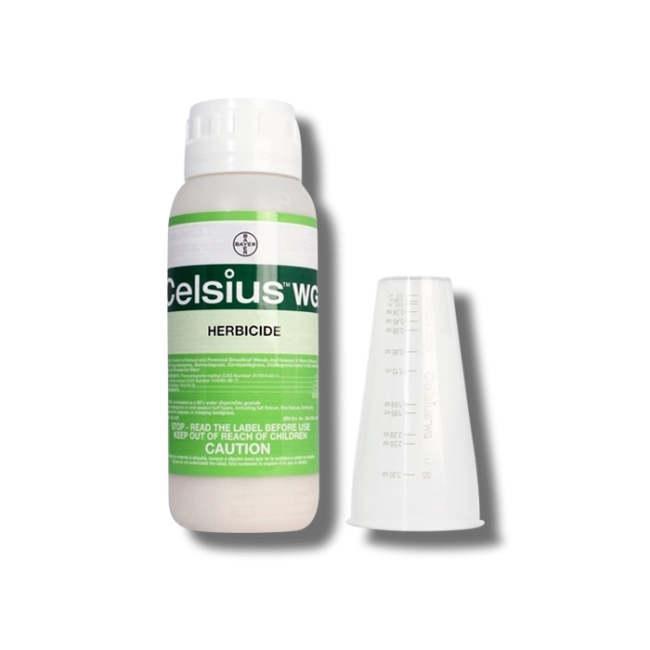
Celsius WG Herbicide
Celsius WG Herbicide is a post-emergent herbicide that comes in the form of wettable granules. Delivers excellent performance on warm-season grasses and removes up to 120 species of annual and broadleaf perennial weeds and grasses.
As low as
$12.52
Only %1 left
SKU
Celsius WG Herbicide 10 Oz product page
Min : 12.52 - Max : 90
+

+

Price as of
08/20/26
08/20/26
Price Transparency
See how our pricing compares to other online retailers for this item.
Celsius WG Herbicide, manufactured by Bayer, is a professional quality herbicide designed for the post-emergent control on warm-season grasses like St. Augustine and has some residual activity to prevent certain weeds from germinating.
This easy to use herbicide comes in the form of water-dispersible granules that must be thoroughly and uniformly mixed in water and applied as a spray. Each pack covers up to 2,000 sq. ft. at the highest rate of application while also delivering lower phytotoxicity in areas with high temperatures.
Celsius WG Herbicide provides broad-spectrum control of grassy weeds like crabgrass with up to 3 active ingredients helping to cease weed growth within hours of application.
Tools Needed
To use Celsius WG Herbicide, you will need to mix the product in a backpack sprayer or hand-can.
How to Use
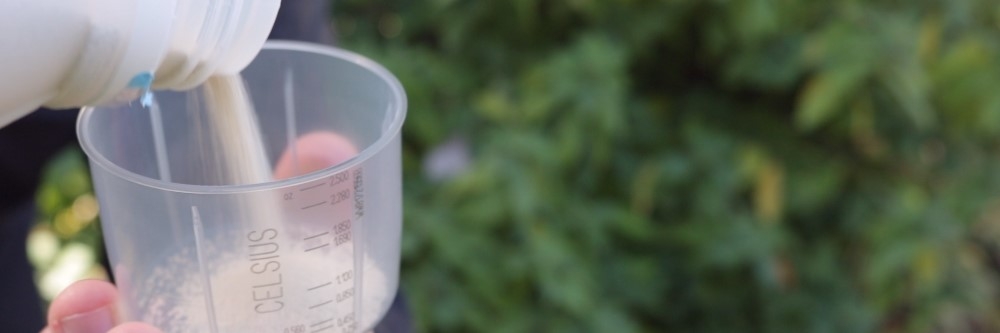
- Step 1: Determine how much Celsius WG Herbicide to use by measuring the square footage of the treatment area. To do this, measure the length and width of the treatment area in feet then multiply them together (length X width = square footage). For acreage, take the square footage and divide it by one acre (square footage / 43,560 sq. ft. = acres). For spot treatments, mix 0.057 to 0.113 oz. (1.6-3.2 g) of Celsius WG Herbicide per gallon of water per 1,000 sq. ft. Do not apply more than a total of 7.4 oz (210 g) of product per acre (0.17 oz or 4.8 g of product per 1,000 sq. ft.) per year (365 days).
- Step 2: Fill your sprayer tank with half the amount of water, then add the appropriate amount of Celsius WG Herbicide, then fill the tank the rest of the way with remaining half of water. Shake up the sprayer tank until the solution is well-mixed.
- Step 3: Spray the target weed with the Celsius WG Herbicide mixture, making sure to get even coverage via fan spray setting. Check back after 2 to 4 weeks and if weeds are still present then perform a second application. Do not mow immediately after treating with this product or before spray has dried. After treatment, do not transfer clippings to non-target areas. For best results, do not irrigate until spray has dried.
Where to Use
Use Celsius WG Herbicide on warm-season turf on residential and commercial lawns or commercial properties such as sod farms, sports fields, parks, campsites, recreational areas, roadsides, school grounds, cemeteries, and golf courses (minus golf course greens and collars).
Do not use this product on bahiagrass or cool-season turf types, including tall fescue, fine fescue, Kentucky bluegrass, perennial ryegrass, or creeping bentgrass.
When to Use
Spray Celsius WG Herbicide when turf is established or 4 weeks have passed for newly established turfgrasses. Weed control is more rapid when soil temperatures are above 65 degrees, when soil moisture is adequate for weed growth, and when weeds are not under environmental stress (e.g. drought).
Safety Information
Celsius WG Herbicide is safe to use around children and pets when applied according to the product label instructions. Always wear the proper personal protective equipment (PPE) when mixing and applying this product.
Do not allow people or pets to enter the treated areas until sprays have dried.
Special Considerations
It is advised not to use a surfactant during spot treatment on St. Augustine grasses because of the risk of damage it can cause to the turf.
| Restricted Use | No |
|---|---|
| Shipping Restrictions | AK, ID, NY, WY |
| Availability | Online |
| Signal Word | CAUTION |
| Keith's Pro Tip | "Apply Celsius WG Herbicide only to the areas that are necessary; it's not necessary that you spray the entire lawn. This will also save your product and reduces waste." |
| Target Pests Multi | American_Burnweed, Annual Lespedeza, Asiatic Hawksbeard, Barnyardgrass, Birdseye Pearlswort, Black Medic, Black Nightshade, Blackseed_Plantain, Bracted Plantain, Broadleaf Plantain, Broadleaf Signalgrass, Browntop_Millet, Buckhorn Plantain, California Burclover, Canada Thistle, Canada_Toadflax, Carolina False Dandelion, Carolina_Dichondra, Carpetgrass, Carpetweed, Catsear Dandelion, Chamberbitter, Common Chickweed, Common Lambsquarters, Common Millet, Common Plantain, Common Purslane, Common Ragweed, Common Sunflower, Common Vetch, Common Waterhemp, Corn Speedwell, Creeping Beggarweed, Creeping Charlie, Creeping Speedwell, Curly Dock, Cutleaf Evening Primrose, Dallisgrass, Dandelion, Dollarweed, Doveweed, Eastern Black Nightshade, Entireleaf Morningglory, Fall Panicum, Field Madder, Field Pepperweed, Field Sandbur, Field Violet, Fireweed, Florida Betony, Florida Pusley, Giant Foxtail, Giant Ragweed, Gophertail Lovergrass, Green Foxtail, Green Kylinga, Hairy Bittercress, Hairy Nightshade, Heartwing Sorrel, Heath_Aster, Hemp Sesbania, Henbit, Hop Medic, Horse Purslane, Horseweed/Marestail, Indian Chickweed, Ivyleaf Morningglory, Johnsongrass, Knawel, Ladys Mantle, Lawn Burweed, Mouseear Chickweed, Narrowleaf Plantain, Oxeye Daisy, Paleseed Plantain, Palmer Amaranth, Parsley Piert, Pennsylvania Smartweed, Pennywort, Pitted Morningglory, Pokeberry, Poorjoe, Prickly Sida, Proso Millet, Prostrate_Knotweed, Purple Cudweed, Quackgrass, Rabbitfoot Clover, Red Fescue, Red Sorrel, Redroot Pigweed, Rescuegrass, Russian Pigweed, Shattercane, Shepherdspurse, Sicklepod, Slender Aster, Spiny Sowthistle, Sprawling Horseweed, Stinkgrass, Swinecress, Switchgrass, Tall Fescue, Tansy Mustard, Texas Panicum, Thin Paspalum, Trampweed Facelis, Velvetleaf, Venus Looking Glass, Virginia Buttonweed, Virginia Dwarf Dandelion, Western Ragweed, White Clover, White Mustard, White Sweet Clover, Whiteleaf_Sage, Wild Buckwheat, Wild Carrot, Wild Garlic, Wild Lettuce, Wild Oats, Wild Onion, Wild Pansey, Yellow Foxtail, Yellow Rocket, Yellow_Woodsorrel, Dogfennel, Ground Ivy |
| Time to Kill | The soil activity of Celsius WG Herbicide provides a barrier of control for up to 60 days after the application is made. |
| Chemical Type | Herbicide |
| Formulation | Water Dispersible Granule (WDG) |
| Application Methods | Broadcast Spray, Spot Treatment |
| Product Drawbacks | Spot treatments of Celsius WG Herbicide ,to St. Augustine grass at turf temperatures of 90 degrees or higher may cause temporary growth regulation. This product can also affect some ornamentals and is not recommended for use near the roots or newly plants |
| Active Ingredient | Thiencarbazone-methyl 8.7%, Iodosulfuron-methyl-sodium 1.9%, and Dicamba 57.4%. |
| Application Equipment | Backpack Sprayer, Pump Sprayer |
| Mix Rate | For spot treatments, mix 0.057 to 0.113 oz. (1.6-3.2 g) of Celsius WG Herbicide per gallon of water per 1,000 sq. ft. |
| Use Sites | Outdoors |
| Yield | 10 oz. of Celsius WG Herbicide will cover up to 5 acres. |
| EPA Registration No. | 432-1507 |
| Shelf Life | Celsius WG Herbicide can last up to 3 years when stored properly, in a cool dry space. |
| Comparable Products | Monument 75 WG |
| Children or pets? | No |
| Property Characteristics | None |
| Availability | Online |
| Restricted Use | No |
| Brand | BAYER |
| Keith's Pro Tips | "Apply Celsius WG Herbicide only to the areas that are necessary; it's not necessary that you spray the entire lawn. This will also save your product and reduces waste." |
| Product Drawbacks | Spot treatments of Celsius WG Herbicide ,to St. Augustine grass at turf temperatures of 90 degrees or higher may cause temporary growth regulation. This product can also affect some ornamentals and is not recommended for use near the roots or newly plants |
| Target Pests | American Burnweed, Annual Lespedeza, Asiatic Hawksbeard, Barnyardgrass, Birdseye Pearlwort, Black Medic, Black Nighshade, Blackseed Plantain, Bracted Plantain, Broadleaf Plantain, Broadleaf signalgrass, Browntop Millet, Buckhorn Plantain, California Burclover, Canada Thistle, Canada Toadflax, Carolina Dicondra, Carolina Falsedandelion, Carpetgrass, Catsear Dandelion, Chamberbitter, Common Chickweed, Common Lambsquarter, Common Millet, Common Plantain, Common Purslane, common Ragweed, Common Sunflower, common Vetch, Common Waterhemp, Corn speedwell, Creeping Beggarweed, Creeping Charlie, Creeping Speedwell, Curly Dock, Cutleaf Evening Primrose, Dallisgrass, Dandelion, Dogfennel, Doveweed, Eastern Black Nightshade, Entireleaf Morningglory, Fall Panicum, Field Madder, Field Pepperweed, Field Sandbur, Field Violet, Fireweed, Florida Betony, Florida Pusley, Giant Foxtail, Giant Ragweed, Gophertail Lovegrass, Green Foxtail, Green Kylinga, Ground Ivy, Hairy Bittercress, Hairy Nightshade, Heartwing Sorrel, Heath Aster, Hemp Sesbania, Henbit, Hop Medic, Horse Purslane, Horseweed, Indian Chickweed Carpetweed, ivyleaf Morningglory, Johnsongrass, Knawel, Lady's Mantle, Lawn Burweed, Mouse-ear Chickweed, Narrowleaf Plantain, Oxeye daisy, Paleseed Plantain, Palmer Amaranth, Parsley Piert, Pennsylvania Smartweed, Pennywort Dollarweed, Pitted Morningglory, Pokeberry, Poorjoe, Prickly Sida, Proso Millet, Prostrate Knotweed, Purple cudweed, Quackgrass, Rabbitfoot Clover, Red Fescue, Red Sorrel, Redroot pigweed, Rescuegrass, Russian thistle, Shattercane, Shepard's purse, Sicklepod, Slender Aster, Spiny sowthistle, Sprawling Horseweed, Stinkgrass, Swinecress, Switchgrass, Tall Fescue, Tansy Mustard, Texas Panicum, Thin Paspalum, Trampweed Facelis, Velvetleaf, Venus Looking glass, Virginia Buttonweed, Virginia Dwarf Dandelion, Western Ragweed, White Clover, White Mustard, White Sweet Clover, Whiteleaf Sage, Wild Buckwheat, Wild Carrot, Wild Garlic, Wild Lettuce, Wild Oat, Wild Onion, Wild Pansey, Yellow Foxtail, Yellow Rocket, and Yellow Woodsorrel. |
| Application Equipment | Backpack Sprayer, Pump Sprayer |
| Application Methods | Broadcast Spray, Spot Treatment |
| Active Ingredient | Thiencarbazone-methyl 8.7%, Iodosulfuron-methyl-sodium 1.9%, and Dicamba 57.4%. |
| Product Type | Herbicide |
| Formulation | Water Dispersible Granule (WDG) |
| Application Rate | For spot treatments, mix 0.057 to 0.113 oz. (1.6-3.2 g) of Celsius WG Herbicide per gallon of water per 1,000 sq. ft. |
| Shelf Life | Celsius WG Herbicide can last up to 3 years when stored properly, in a cool dry space. |
| Yield | 10 oz. of Celsius WG Herbicide will cover up to 5 acres. |
| Use Sites | Outdoors |
| Time to Kill | The soil activity of Celsius WG Herbicide provides a barrier of control for up to 60 days after the application is made. |
| Comparable Products | Monument 75 WG |
| Use Caution On | St Augustine, Zoysiagrass |
| EPA Registration # | 432-1507 |

*Price does not include freight. We guarantee our rate plus shipping will be less than anyone else's price.